
Implementing Good Intentions: Goal Setting Action Guide
combining a systems thinking approach with s.m.a.r.t. goal setting, habit design, and identity alignment

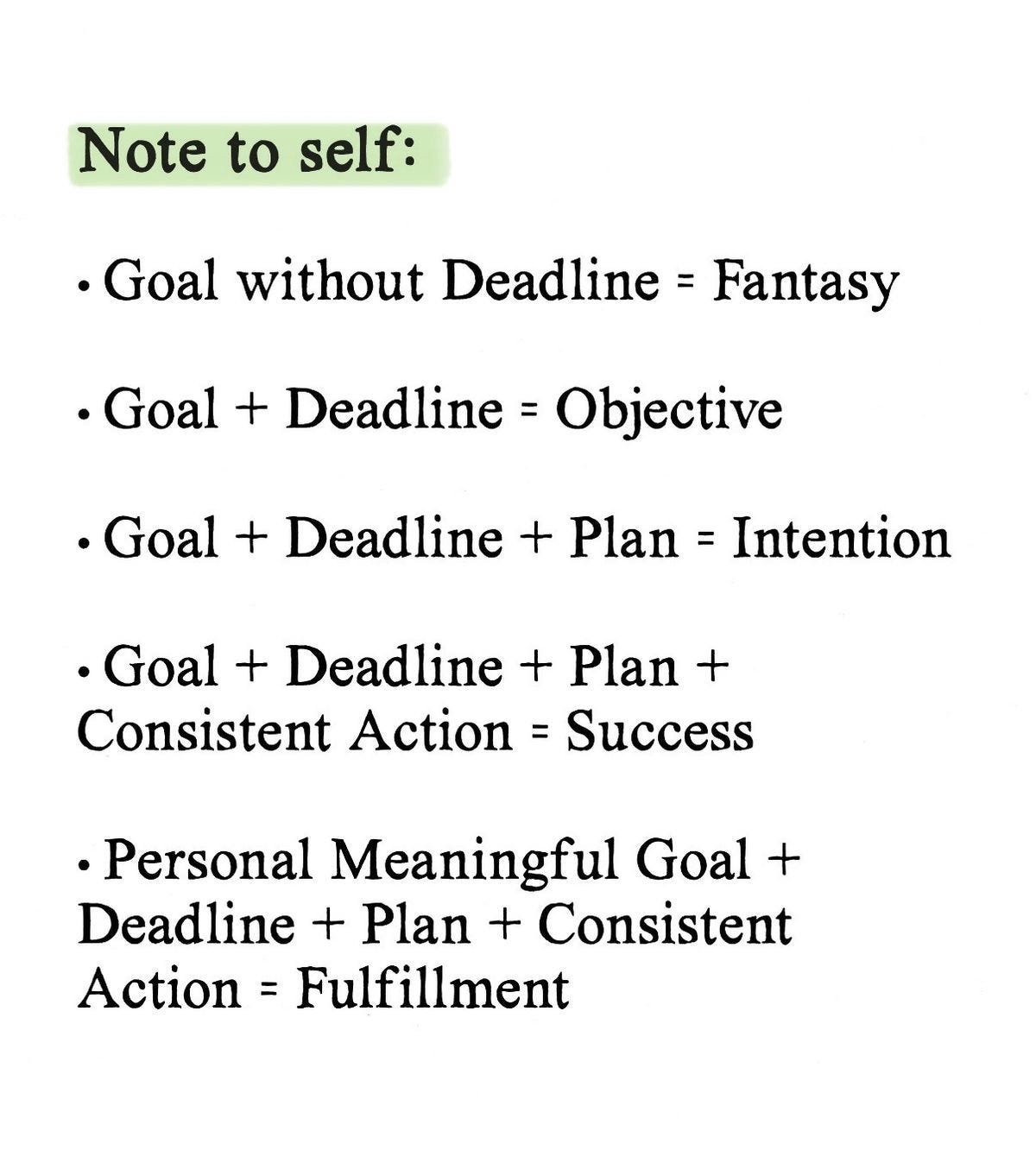
This month in our book club, we explored Dopamine Detox—a deep dive into attention, impulse, and intentional living. But awareness alone isn’t enough. To truly shift habits, we need structure. Structure, for us, means systems.
That’s where SMART goals come in.
Specific
Measurable
Achievable
Relevant
Time-bound
The SMART framework is a classic for a reason—it gives shape to our intentions. But for those of us building intentional lives, especially within the context of dopamine detoxing, it’s not just about setting goals. It’s about designing systems that reflect who we are and who we’re becoming. That’s where my personal approach comes in: combining SMART goals with habit tracking, identity-based motivation, and the quantified self.
In this follow-up, I’m zooming out from the detox lens to show how goal-setting fits into a larger framework—one that blends behavior design, habit tracking, and identity alignment. Inspired by this month’s accompanying assigned article Goal Setting in Student Motivation and our group reflections, I created a 5-Step Guide: From Goals to Habit Integration (at the end) to help you move from scattered intention to focused action. Whether you’re working on fitness, finances, creativity, or self-care, this framework is designed to help you set goals that actually stick and feel good doing it.
This isn’t about hustle culture or rigid productivity. It’s about clarity. About using data, reflection, and structure to align your actions with your values. Together, SMART goals, habit tracking, the quantified self, and motivation/identity all interlock into a powerful self-development system—especially for women building intentional lives.
Let’s begin by revisiting the foundation: SMART goals.
SMART Goals: The Blueprint
SMART goals give structure to your intentions. They turn vague hopes into actionable plans by making them:
Specific: What exactly do you want?
when do you want it? why do you want it?
Measurable: How will you know you’re progressing?
what metrics can you attach to the goal?
Achievable: Is it realistic for your current season?
if you break the goal down into steps, does it fit (this season)?
Relevant: Does it align with your values and priorities?
does it aid in you long-term objectives?
does it keep me on track with my other goals too? or will it pull away focus?
Time-bound: What’s your deadline or rhythm?
how can you create both urgency and novelty around this goal?
SMART goals are the what. They define the destination.
→ SMART GOAL EXAMPLES:
💰 Financial
Goal: Save $1,000 in a high-yield savings account over the next 4 months by setting aside $62.50 per week from my paycheck.
S: Save $1,000
M: Weekly deposits of $62.50
A: Based on current income
R: Builds emergency fund
T: 4 months
🏋️ Fitness
Goal: Attend 3 strength-training classes per week for the next 8 weeks to build muscle and improve energy levels.
S: Strength training 3x/week
M: Track attendance
A: Classes already available nearby
R: Supports health and energy
T: 8 weeks
💼 Business
Goal: Launch my freelance design portfolio website by November 15, including 5 completed projects and a contact form.
S: Launch portfolio site
M: 5 projects + contact form
A: Already have content
R: Supports freelance career
T: By Nov 15
🎓 Academic
Goal: Study for the GRE for 1 hour per day, 5 days a week, and take a full-length practice test every 2 weeks until my exam on December 10.
S: Daily study + biweekly tests
M: Track hours and test scores
A: Fits current schedule
R: Prepares for grad school
T: Until Dec 10
🏡 Home
Goal: Declutter and organize my bedroom by dividing it into 4 zones and tackling one zone per weekend in October.
S: Organize bedroom in zones
M: 1 zone/week
A: Weekends are free
R: Improves daily environment
T: By end of October
🎨 Hobbies
Goal: Complete one watercolor painting per week for the next 6 weeks and share them on Instagram to build creative confidence.
S: 1 painting/week
M: 6 total
A: Materials already owned
R: Builds creative habit
T: 6 weeks
🧠 Personal Development
Goal: Read 3 nonfiction books on emotional intelligence by the end of the year and write a 1-page reflection for each.
S: Read 3 books + reflections
M: 3 books, 3 pages
A: 3 months left in year
R: Supports growth and insight
T: By Dec 31
These are some examples of how this is setting the destination, but this is just putting a point on the map.
Now we have to get there. And the engine - is habit tracking.
Habit Tracking: The Engine
Once you’ve set your SMART goals, habit tracking becomes the daily mechanism that moves you toward them. It’s about more than just checking boxes, it’s about building momentum and noticing patterns. Habit tracking is a self-made assessment tool.
You track habits to stay consistent
You reflect on what’s working and what’s not
You adjust based on real data, not just vibes
Habit tracking is the how. It powers the journey.
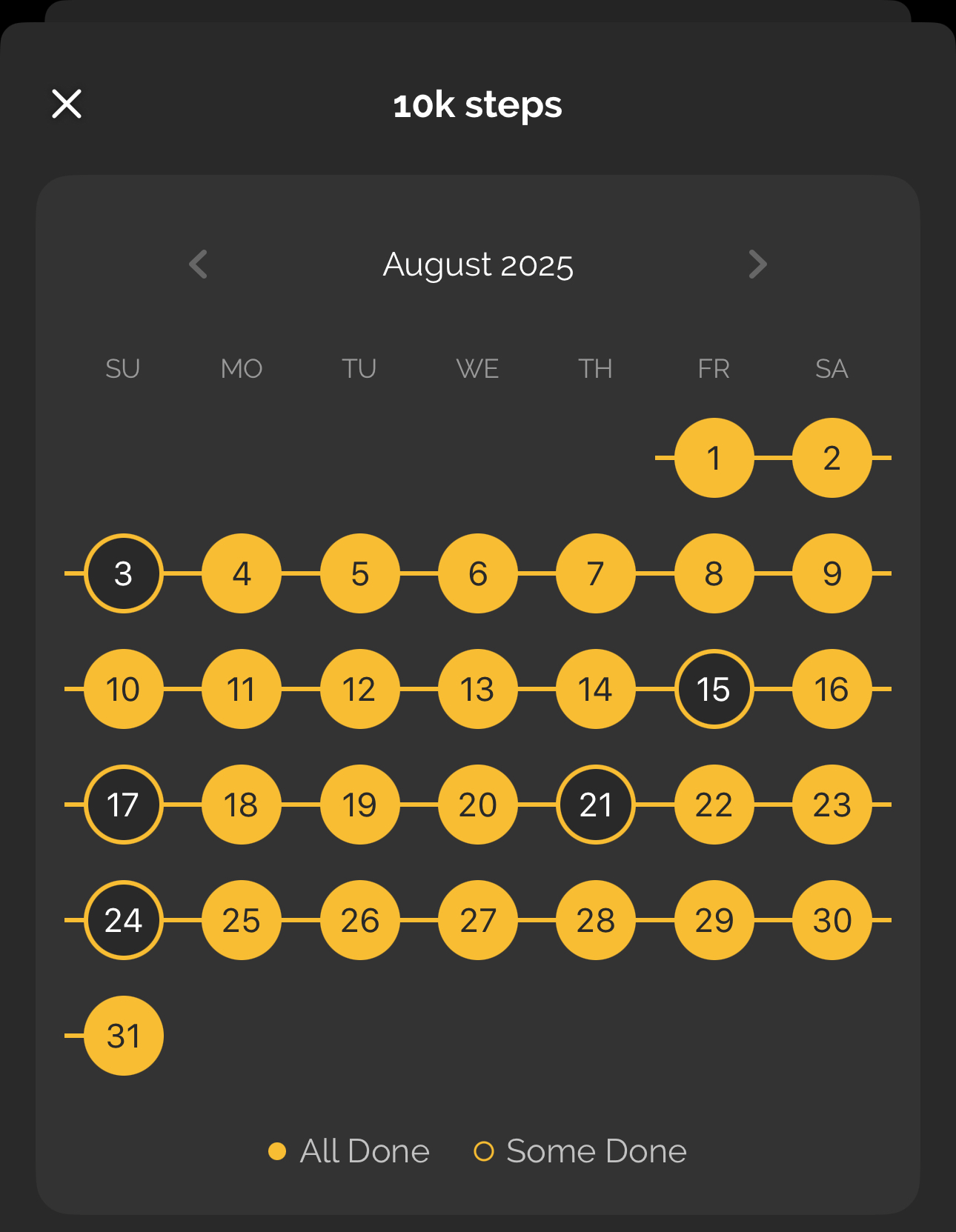
Now that you’re moving, you need a mirror to see where you’re going - and the mirror is the quantified self.
Quantified Self: The Mirror
The quantified self movement takes habit tracking deeper. It’s about collecting personal data like sleep, mood, productivity, energy, and attention and using it to understand yourself better. This allows progress monitoring to become routine at whatever frequency you need.
You become your own researcher
You spot correlations (e.g., journaling improves sleep, workouts boost mood)
You design systems that support your actual rhythms—not idealized ones
Quantified self supports your why. It reveals your behavioral feedback loops.
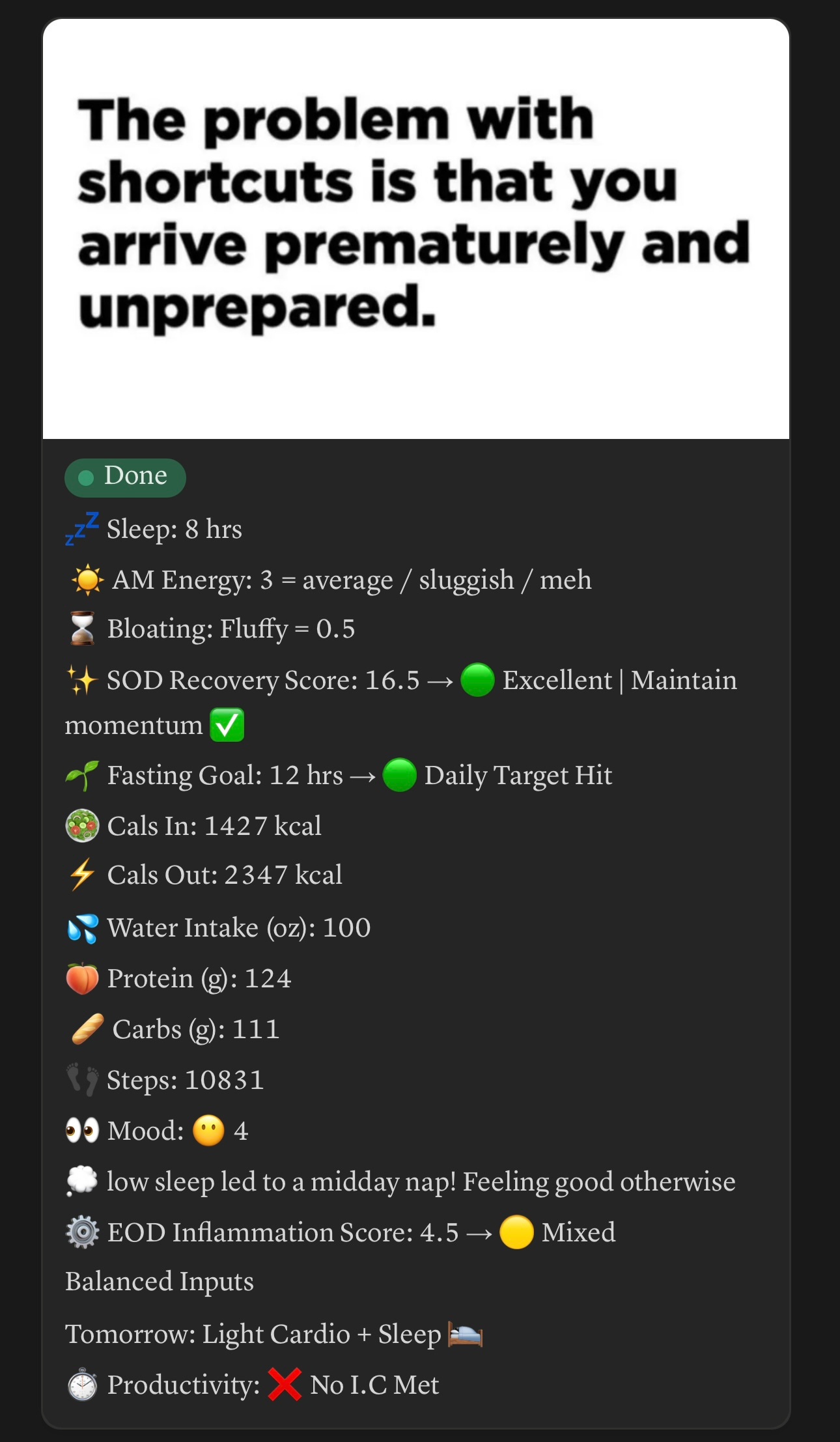
To keep going till you get to that destination, you need some fuel. That fuel? your motivation and your identity.
Motivation & Identity: The Fuel
Here’s the real secret: behavior change sticks when it’s identity-based. You can’t just want to do the thing. You have to want to be the kind of person who does it.
Self-efficacy and a growth mindset are pivotal to turning effort into momentum. When you believe you’re capable of change—and that failure is part of learning—you start to shift your achievement motives. You stop chasing validation and start seeking mastery. Task value increases when the goal feels personally meaningful, not just externally impressive.
This is where self-concept comes in. The way you see yourself shapes the kinds of goals you set.
“I’m someone who prioritizes my mental health.” (so I journal daily)
“I’m a builder, not just a dreamer.” (so I commit to consistent action)
“I track my habits because I value growth.” (so I want to see that improvement on paper)
When your goals and systems reflect your values, motivation becomes intrinsic. If you identify as a learner, you’ll pursue learning goals. If you see yourself as someone who needs to prove worth, you’ll default to performance goals. But when your goals reflect who you want to be—not who you’re afraid you aren’t—you build a system that reinforces identity, not insecurity.


And that’s the fuel. Not willpower. Not discipline. But alignment.
The System in Motion
Put it all together:
SMART goals define your direction
Habit tracking builds consistency
Quantified self reveals insights
Identity-based motivation keeps you aligned
✍🏼 5-Step Guide: From Goals to Habit Integration
A framework for turning SMART goals into sustainable systems through identity, tracking, and reflection.
Step 1: Set SMART Goals (Quarterly or Yearly)
Write 3–5 goals using the SMART format:
Specific: What exactly do I want to achieve?
Measurable: How will I track progress?
Achievable: Is this realistic for my current season?
Relevant: Does this align with my values?
Time-bound: What’s the deadline or rhythm?
📌 Example: “Save $1,000 in 4 months by setting aside $62.50/week.”
Step 2: Link Goals to Identity
Ask: Who am I becoming by pursuing this goal?
Write one sentence per goal that reflects identity-based motivation.
📌 Example: “I’m someone who builds financial stability with intention.”
Step 3: Build Habit Systems (Monthly)
Break each SMART goal into 1–2 supporting habits.
Choose a tracking method: Notion, journal, app, spreadsheet, chalkboard, whiteboard, printed paper, etc.
Create a “Values Dashboard” to check in weekly: all the SMART habits in one place to view
📌 Example:
Goal: Read 12 books this year
Habit: Read 20 pages every weekday morning
Tracker: handwritten Daily Pages Read Tracker in your journal
Step 4: Quantify & Reflect (Weekly)
Track your attention, energy, mood, and progress.
Use friction intentionally: make reflection easy, and distractions hard.
Ask: What’s working? What needs adjusting?
📌 Example weekly check-in questions:
What did I follow through on?
What felt aligned with my values?
What distracted me?
Step 5: Monthly Reset
At the end of each month, review your habit data + journal entries
Adjust goals or habits based on what’s true now
Reconnect with your identity statements
Celebrate progress (even if it’s small)
📌 Example:
“I completed 3 out of 4 weekly savings transfers. I’m 75% on track.”
(Optional) Step 6: Quarterly Deep Dive
Revisit all SMART goals
Archive completed ones
Set new ones based on current values
Repeat the cycle
⭐️ I’ve created step-by-step guides for both monthly and quarterly resets if you need further help with this step:
Your Goals, Your Identity, Your System
When your goals reflect who you’re becoming, motivation becomes intrinsic. You’re not just checking boxes. You’re building a life that feels aligned.
If you’re part of the book club, use this guide to set your monthly or quarterly goals and share your progress in our next check-in. If you’re not in the club yet, this is your invitation to join us.
We read, reflect, and build systems that support the kind of life we actually want to live. Join here.